



The Steinway & Sons Spirio reinvents sound reproduction
Pianos Bolduc Montreal is proud to present Steinway & Sons' newest invention in 70 years – the Spirio.
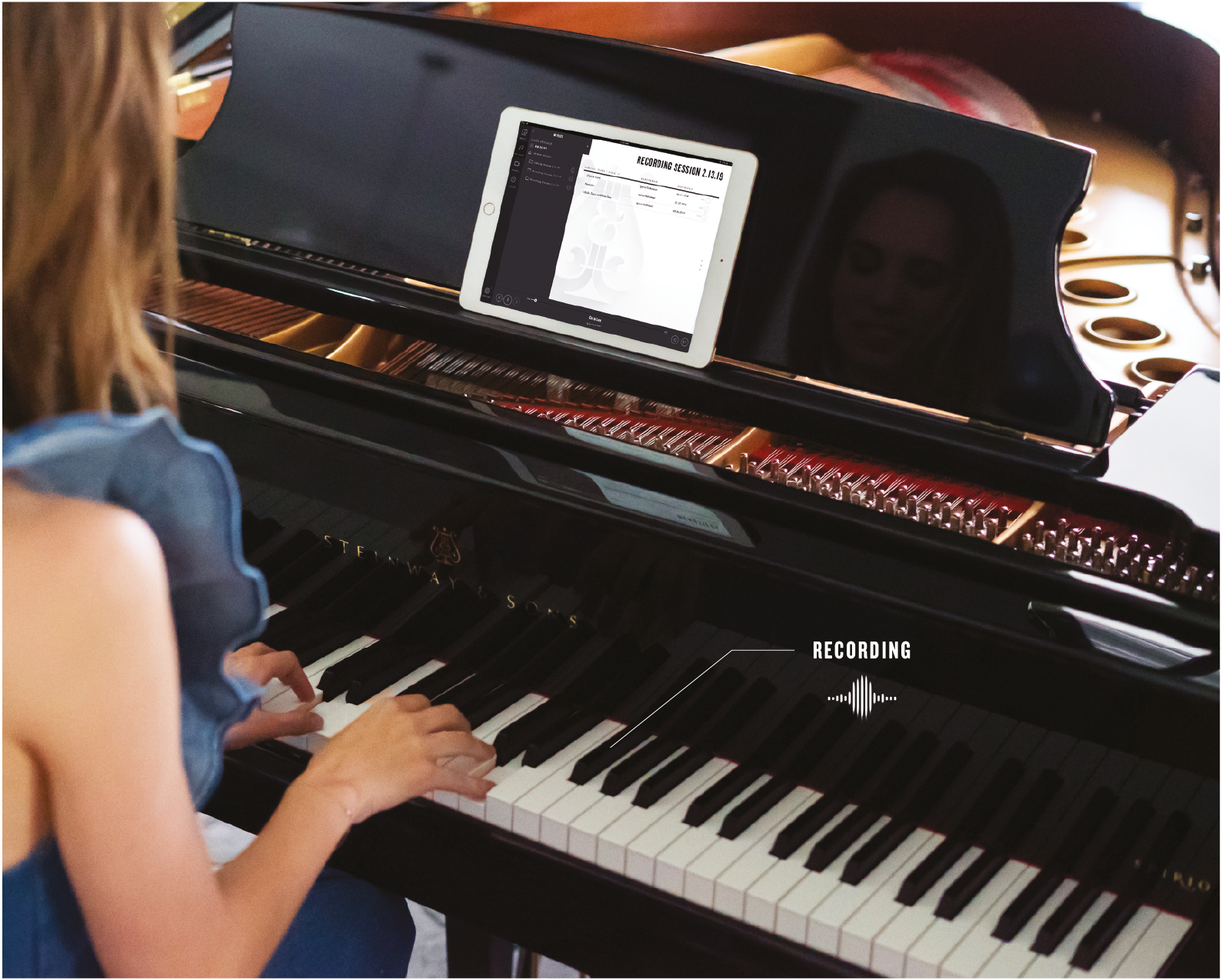
This grand piano (currently offered in the M 5'7, B 6'11 and B r, D r 9′ models includes state-of-the-art technology capable of reproducing pre-recorded music with extreme precision or if you opt for the r version of the Spirio, you can record your own works on the piano, it's not just a question of rendering the notes like a mechanical piano.
With the Spirio, the keyboard, hammers, strings and pedals faithfully reproduce the slightest subtleties (all nuances, all accents and all rhythmic variations). The name Spirio comes from the Latin verb spirare (to blow, to live, to breathe), which refers to poetic inspiration and the soul. There is indeed in the capabilities of this instrument something that touches the very essence of an interpretation.
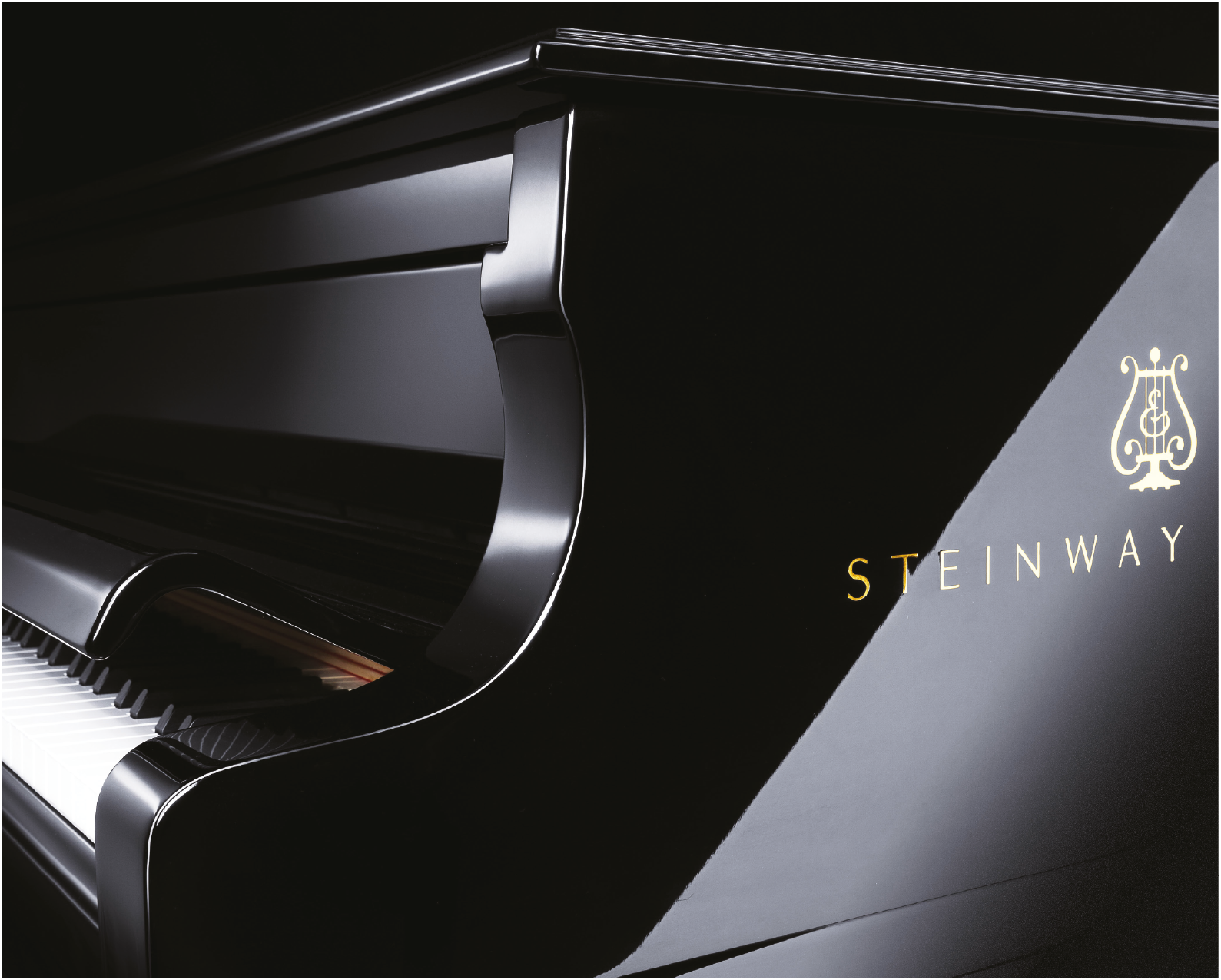
At first glance, the Spirio is identical to Steinway grand pianos
The only noticeable difference is a wire under the instrument that supplies electricity to the sound reproduction system. The latter, integrated during the manufacture of the piano, is the subject of meticulous camouflage. Similarly, the sound benefits from a particular precaution, as long as between other regular model Steinway pianos, it cannot be differentiated. In short, the designers were keen to make the Spirio an instrument just as pleasant to play as the other Steinways.
The Spirio is mainly intended for individual music lovers as well as pianists. It also represents a very significant attraction for high-level educational institutions. Indeed, the faithful reproduction of the student's and/or teacher's interpretation reaches such a precise level that the piano becomes an indispensable tool for analyzing and improving the quality of piano playing.
A turnkey service from your very first request
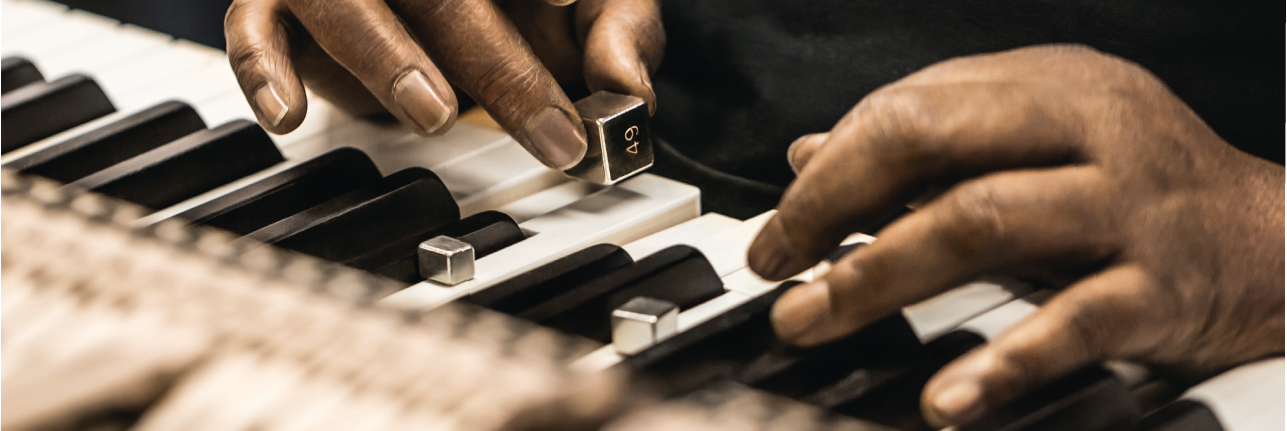
Upon receipt of your request, we will promptly contact the person you designated to dispatch a technician to the site to examine the piano.

An application custom-built to support the game and rebroadcast it
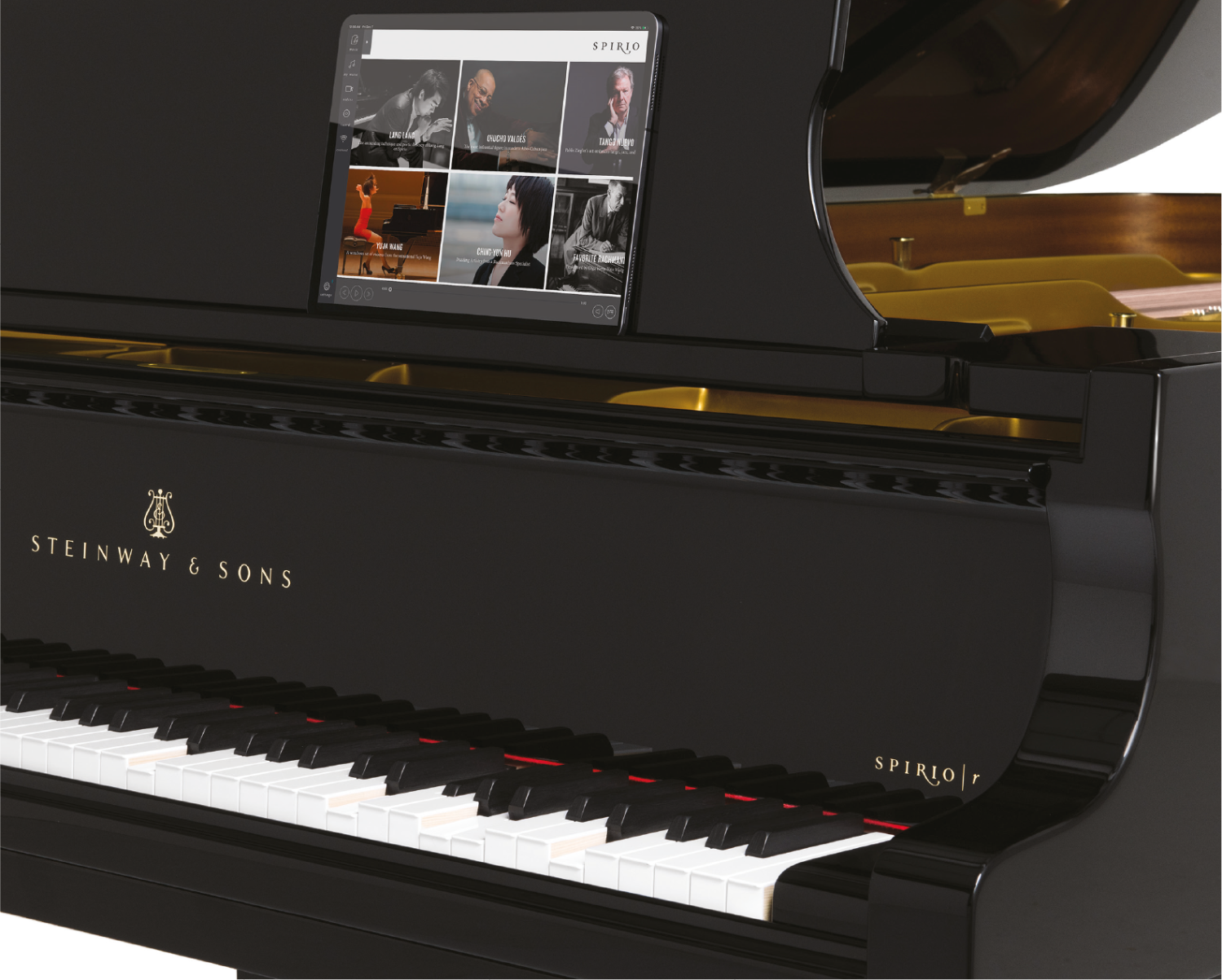
An iPad accompanies the piano, for which an application has been created, providing access to a library of over 350 pieces.
This library grows by approximately four hours of music every month. Indeed, several artists, at Steinway's invitation, periodically enrich it. Users can therefore enjoy performances by pianists such as Yuja Wang, Olga Kern, and Pascal Rogé, as well as Jason Moran, Bill Charlap, and David Benoit.

Over 1,800 artists are included in the Spirio's library
In total, including performances recorded on the piano itself and historical performances converted for the instrument, over 1800 artists make up the Spirio's library.
The iPad app allows you to adjust the volume of a sound reproduction, depending on whether you want to listen to it at its full intensity, as it was recorded, or if you prefer to give it the appearance of background music. The reduction in volume will not, however, drown out notes that, in the original performance, were played softly or very softly. It only affects notes exceeding the desired volume level.
The possibilities afforded by this technological innovation are manifold.
While it allows listeners to access great performances directly from the comfort of their homes, it also hints at its usefulness for professional pianists and music students. Clearer, sharper, and enhanced by a visual experience, the auditory experience provided by this new type of piano will undoubtedly increase performers' ability to refine their playing.
